
HARO was once the most popular way to earn expert quotes and trusted editorial backlinks. But as the platform evolved and became harder to navigate, marketers started looking for simpler tools with better relevance, clearer categories, and higher acceptance rates.
Even though HARO is active again through its new platform Connectively, many professionals now prefer modern alternatives that offer faster workflows and more reliable results.
HARO alternatives connect you directly with journalists who are actively seeking insights, making it easier to earn natural, high-quality mentions that strengthen E-E-A-T and long-term SEO authority. These platforms help you reach the right publications, respond to relevant topics, and build a consistent flow of editorial backlinks in your niche.
In this guide, you’ll discover the best HARO alternatives, how they work, and which ones deliver safe, authoritative, and scalable link-building opportunities for your brand.
Why HARO Declined and Why Marketers Need Alternatives
Before understanding why HARO declined, it helps to know what it was and why it became so popular among marketers.
What HARO Was
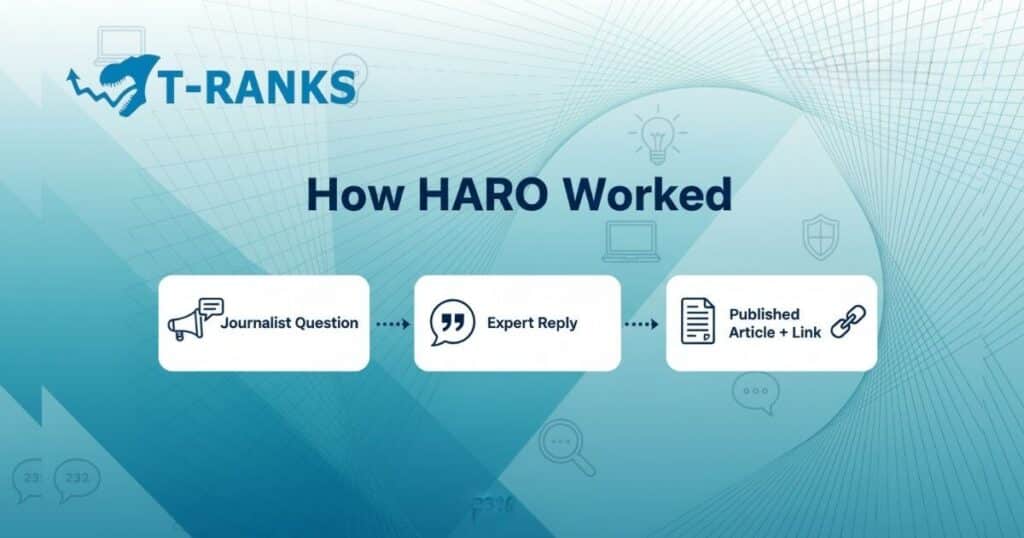
HARO (Help A Reporter Out) connected journalists looking for expert quotes with professionals willing to share them. When a journalist posted a question, experts replied with short, helpful answers. If the journalist liked your response, your quote appeared in the article—often with your name and website link.
For example: A journalist asks, “What helps you stay focused while working?” You send one quick, practical tip. If it fits the story, your advice appears in the published piece.
This simple system made HARO an easy way to earn genuine media mentions and high-trust backlinks.
Why HARO Declined
Over time, HARO changed in ways that frustrated its users. The once-simple email digest was replaced by a slower, more complex dashboard. Instead of reading a few clear questions in your inbox, you now had to browse long category lists—many unrelated to your field.
Relevance dropped sharply. A marketing expert might receive fitness requests. A wellness coach might see technology prompts. Finding a suitable opportunity took far more effort.
Competition also exploded. Journalists began receiving hundreds of nearly identical replies, making it harder for quality answers to stand out. As a result, even skilled contributors saw fewer placements.
These changes made HARO feel time-consuming and unpredictable. What used to be a quick path to exposure became a tedious process with low success rates.
Why Marketers Need Alternatives
Marketers now look for platforms that bring back what HARO lost—simplicity, focus, and genuine opportunity. The ideal modern alternative should:
• Deliver clear, niche-matched questions • Be fast and easy to use • Reduce competition for each pitch • Offer fair visibility and timely results • Help experts earn authentic editorial mentions
Modern HARO alternatives meet these expectations. They combine the old HARO simplicity with today’s smarter matching systems, helping professionals share real expertise and gain trusted mentions across respected publications.
Update: HARO Is Active Again
HARO is now active once more under its new platform, Connectively, which continues to connect journalists and experts for media coverage. While the platform offers new features and a redesigned dashboard, many marketers still prefer HARO alternatives for faster workflows, simpler navigation, and better niche targeting.
For a detailed overview of HARO’s latest version and practical link-building strategies, see Ahrefs’ HARO Link Building Guide.
How HARO-Style Editorial Links Support SEO
HARO-style links are valuable because they come from real articles on trusted publications. These are known as editorial backlinks links you earn naturally when a journalist includes your quote or mention within their story.
Why Editorial Links Matter
Editorial backlinks are powerful signals for search engines. They come from well-established media outlets, news platforms, or niche industry blogs that already carry strong authority. When these respected websites link to you, they act like votes of confidence, showing Google that your content is reliable and worth ranking.
The Role of E-E-A-T
These links also strengthen your website’s E-E-A-T—Experience, Expertise, Authoritativeness, and Trust. When a journalist quotes your insight, it proves that real people in your industry see you as a credible voice. This recognition boosts your online reputation and supports long-term authority in your niche.
Topical Relevance Builds Credibility
Relevance is another key factor. If a travel blogger is quoted in a travel feature, or a finance expert appears in a finance article, the connection feels natural. Search engines analyze this topical alignment to determine whether a backlink truly adds value for readers.
Traffic and Brand Visibility
Editorial links don’t just improve SEO , they also bring referral traffic. Readers who find your quote useful are more likely to click through to your website, explore your services, or follow you on social media. This builds awareness and trust beyond search rankings.
Editorial Links vs. Guest Posts
It’s important to understand how editorial links differ from guest posts. A guest post is content you write yourself and publish on another site. An editorial link, on the other hand, is earned, a journalist chooses your comment because it adds genuine value to their story. This makes editorial links far more natural and trustworthy in Google’s eyes.
In Simple Terms
HARO-style editorial links support SEO because they:
• Come from trusted, high-authority websites
• Demonstrate your credibility and expertise
• Align naturally with your niche topics
• Strengthen your site’s E-E-A-T profile
• Drive genuine referral visitors
• Look authentic and organic to search engines
Criteria Used to Rank HARO Alternatives
To compare HARO alternatives fairly, each platform is evaluated on how effectively it helps experts earn genuine mentions in trusted publications. The following key criteria ensure these rankings are practical and easy for beginners to understand.
1. Quality and Authority of Opportunities
This is the most important factor. Top-performing platforms connect users with credible journalists and high-authority websites. When a platform consistently delivers strong publication sources, your chances of earning valuable backlinks increase.
Key indicators include: • Trust level and reputation of the publications • Frequency of links from well-known media outlets • Whether backlinks are typically dofollow and contextually relevant
High-quality platforms provide visibility that builds real domain authority.
2. Niche Relevance
Not every platform serves every industry. Some focus on business and SaaS, others on lifestyle or wellness. A good HARO alternative should consistently share opportunities that fit your area of expertise, so your answers feel authentic and stand out.
Why it matters: Relevant pitches have higher acceptance rates and help you build authority within your exact niche.
3. Volume and Consistency of Requests
The number of daily or weekly journalist requests directly impacts your pitching potential. Some tools offer a few high-quality queries per week, while others send dozens daily.
What to look for: • A steady stream of active journalist requests • A balance between volume and quality • Realistic opportunities, not filler prompts
Reliable volume ensures consistent outreach and visibility.
4. Ease of Use
The original HARO was famous for its simplicity. Modern alternatives should be just as easy to manage.
Important usability factors: • Intuitive dashboards and simple navigation • Clear notifications and topic filters • Built-in pitch tracking or status updates
A well-designed platform saves time and keeps your outreach organized.
5. Cost and Overall Value
Some HARO alternatives are free; others charge monthly or per-pitch fees. The key is to evaluate the value, not just the price.
Consider: • Quality of placements relative to cost • Accessibility of useful features on free plans • ROI for both beginners and advanced users
Affordable platforms that deliver real results score highest.
6. Acceptance Rate
Acceptance rate shows how often pitches actually get selected. Platforms that attract serious journalists, maintain topic alignment, and limit spammy pitches tend to offer the best success ratios.
Higher acceptance usually means: • Quality over quantity in requests • Lower competition for each story • Better return on effort and time
7. Turnaround Time
Turnaround time reflects how quickly published results appear after you submit a pitch. Some platforms publish within a week; others take several weeks depending on editorial schedules.
Faster results help marketers measure success and adjust strategies sooner.
In summary: The best HARO alternatives combine high-quality publications, relevant niches, manageable volume, and clear user experience with strong success rates and timely results. These criteria help marketers identify platforms that support consistent, long-term editorial link building and genuine brand authority.
10 HARO Alternatives for Scalable PR and SEO
As HARO’s limitations grow, marketers are turning to more specialized, flexible platforms to secure high-quality editorial links and media mentions. Below is an overview of 10 top HARO alternatives, each catering to different niches, outreach styles, and budget levels. These tools collectively offer scalable PR and SEO opportunities by delivering journalist requests, media contacts, and pitching workflows tailored for diverse needs.
Comparison Table of Top HARO Alternatives
| Tool | Best For | DR Range | Volume | Cost | Acceptance Rate | Turnaround |
| Help A B2B Writer | B2B and SaaS experts | 40 to 85 | Moderate | Low to Mid | High | 1 to 2 weeks |
| Featured | High volume requests | 30 to 90 | High | Mid | Moderate to High | Around 1 week |
| Qwoted | Verified journalists, PR teams | 50 to 90 | Moderate | Mid to High | High | 1 to 2 weeks |
| SourceBottle | AU and UK lifestyle and health | 20 to 60 | Low to Moderate | Free or Paid | Moderate | 1 to 2 weeks |
| PressPlugs | UK and EU ecommerce and SEO | 30 to 65 | Low | Free or Paid | Moderate | Around 2 weeks |
| JustReachOut | Proactive PR and story pitching | 40 to 85 | Moderate | Mid to High | Moderate to High | Around 1 week |
| Pitchbox | Outreach automation | 50 to 90 | High | High | High | Around 1 week |
| ProfNet | Legacy PR and corporate use | 50 to 80 | Low to Moderate | Mid to High | Moderate | 1 to 3 weeks |
| OnePitch | Startups and niche story fit | 40 to 75 | Low | Mid | Moderate | 1 to 2 weeks |
| Social HARO | Real time journalist requests | Varies | High | Free | Varies | Immediate |
Help A B2B Writer
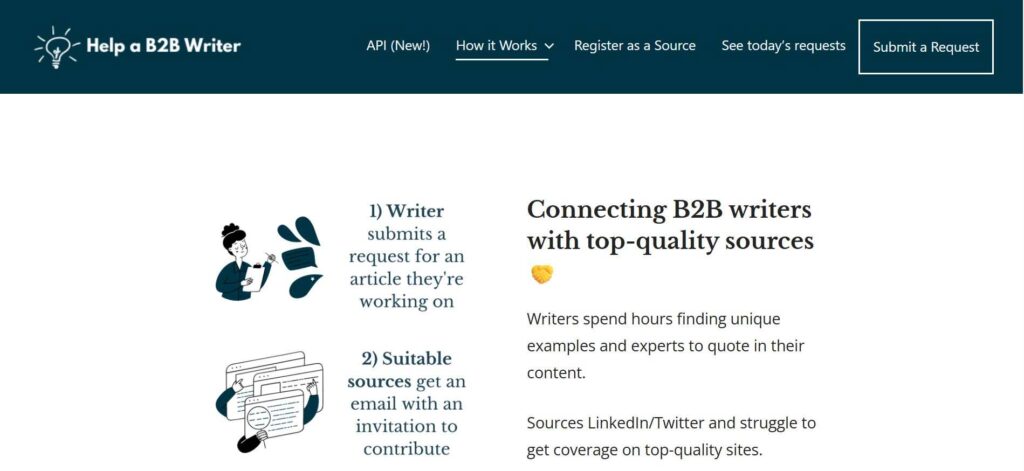
Help A B2B Writer is one of the most reliable and focused platforms for experts in business, software, and marketing. It connects you directly with writers who create B2B content for well known publications, which means every request is relevant and practical. Because of its focus on quality over quantity, this platform offers one of the cleanest and most targeted experiences for earning high value B2B backlinks.
Why it works well:
• Strong alignment with B2B and SaaS topics
• Clear and thoughtfully written requests
• Low noise and fewer unrelated opportunities
• Higher acceptance rates because writers know what they need
Best for: SaaS founders, marketing specialists, B2B consultants, business service providers
Pitch tips: Share one real experience, keep answers simple, add one detail that shows expertise
Help A B2B Writer is ideal for experts who want meaningful B2B mentions instead of random placements.
Featured

Featured is one of the easiest and most versatile platforms for earning editorial mentions across many industries. It sends a high volume of questions every day, making it ideal for beginners and professionals who want a steady flow of opportunities. Because the questions are short and the platform is simple, you can build consistent visibility without spending much time.
Why people love it:
• Very high daily volume
• Quick and simple pitch structure
• Wide mix of marketing, business, finance, lifestyle, and career topics
• Fast turnaround for published quotes
Best for: small business owners, consultants, creators, coaches, freelancers
Pitch tips: Focus on one clear point, keep your answer short, use plain language
Featured is ideal for people who prefer a straightforward, high volume approach to editorial mentions.
Qwoted

Qwoted is a strong choice for experts who want higher authority placements and access to real, verified journalists. The platform includes detailed filters that help you find the exact topics that match your background. This makes the pitching process more efficient and increases your chances of being selected for strong media coverage.
Why it stands out:
• Verified journalists with real reputations
• Many opportunities from high authority publications
• Strong niche filters to match your industry
• Better acceptance rates for experienced experts
Best for: founders, executives, PR teams, finance and legal experts, business specialists
Pitch tips: Keep intros short, share focused insights, reply quickly
Qwoted is best for professionals who want credibility and high trust editorial placements.
SourceBottle

SourceBottle is a friendly, easy to use platform especially popular in Australia and the United Kingdom. It focuses heavily on lifestyle, wellness, beauty, health, personal development, and parenting. Because it has lower competition than many United States platforms, experts often find it easier to get selected.
Why it helps:
• Free plan available
• Lower competition and clearer topics
• Strong fit for lifestyle and wellness niches
• Time zone advantage for AU and UK experts
Best for: wellness coaches, lifestyle creators, beauty experts, parenting professionals
Pitch tips: Use a friendly tone, share useful advice, respond early
SourceBottle is perfect for lifestyle oriented experts who want more focused opportunities.
PressPlugs

PressPlugs is built for the United Kingdom and Europe, making it a valuable choice for brands focused on local audiences. It sends targeted media alerts from regional journalists, giving you access to more relevant and location specific opportunities.
Why it is valuable:
• Region focused requests for United Kingdom and EU
• Strong fit for ecommerce and local SEO
• Clean interface with simple pitch options
• Good match for businesses serving regional customers
Best for: United Kingdom brands, European companies, ecommerce stores, local service businesses
Pitch tips: Mention your region when relevant, keep answers concise, share one clear viewpoint
PressPlugs works best when your business or audience is rooted in the United Kingdom or Europe.
JustReachOut

JustReachOut is a proactive PR platform that helps you reach out to journalists directly. Instead of waiting for questions, you search for writers based on their past articles and send personalized pitches. This makes it a strong tool for storytelling, product launches, and long term PR growth.
Why it is useful:
• Helps you find journalists by topic
• Offers templates and pitch ideas
• Supports long term relationship building
• Ideal for research, launches, and brand stories
Best for: startups, founders, brands with news to share, PR teams
Pitch tips: Keep emails short, explain why your story matters now, offer one headline idea
JustReachOut is perfect for brands that want control over their own outreach strategy.
Pitchbox
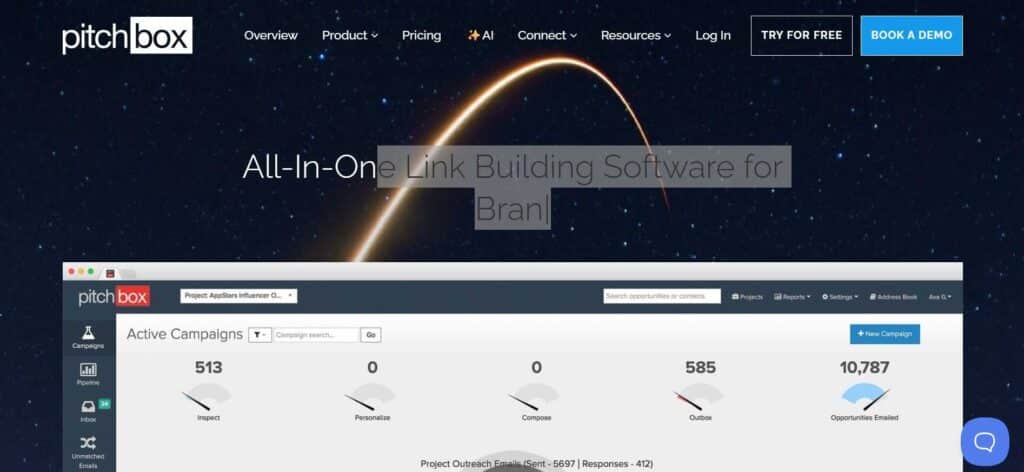
Pitchbox is built for people and teams who want automation and speed. It helps you find relevant websites, send outreach emails, and handle follow ups automatically. This makes it ideal for larger campaigns where manual outreach would take too much time.
Why it works:
• Automation for large outreach campaigns
• Helps find niche relevant websites quickly
• Sends automatic but personalized follow ups
• Designed for long term link building
Best for: agencies, marketing teams, businesses doing scaled outreach
Usage tips: personalize your messages, follow up gently, target only relevant sites
Pitchbox is excellent for scaling outreach without losing personal touch.
ProfNet

ProfNet is a long standing expert request platform used mainly by corporations, universities, and experienced PR teams. It offers premium opportunities but requires more effort and experience to succeed.
Why professionals choose it:
• Very high authority media opportunities
• Trusted by major companies and institutions
• Great for corporate level reputation building
Best for: university experts, corporate communication teams, experienced professionals
Pitch tips: present credentials clearly, keep answers formal, offer direct insights
ProfNet is best for experts with strong backgrounds who want fewer but high quality placements.
OnePitch

OnePitch helps you connect with journalists who already cover topics related to your brand. Instead of answering many requests, you create one pitch and let the platform send it to journalists who may be interested. It is especially helpful for startups trying to build visibility around new ideas.
Why it is effective:
• Designed for startup stories and niche topics
• Great for product launches and updates
• Matches your pitch with journalists automatically
• Clean, simple interface for beginners
Best for: startup founders, tech brands, early stage companies
Pitch tips: highlight what makes your story unique, keep pitch short, give one strong angle
OnePitch is ideal for brands wanting targeted exposure without high effort.
Social HARO
Social HARO refers to platforms like X, Reddit, Slack groups, and Quora where journalists post live requests. These opportunities appear quickly and often for free, making it a great option for beginners or people who enjoy fast, reactive outreach.
Why it is helpful:
• Completely free
• Many real time opportunities
• Great for quick replies and fast visibility
Best for: beginners, fast responders, experts active on social media
Tips for success: always verify the journalist, respond quickly, keep answers short
Social HARO is an easy way to add extra opportunities without spending money or time on complex tools.
In summary: these 10 HARO alternatives give you clearer topics, stronger matching, and better success rates than the original HARO experience. Each platform supports a different style of outreach, whether you want high volume requests, niche focused opportunities, direct pitching, or automated workflows. Together, they offer a more reliable and flexible way to earn trusted editorial mentions, build your authority, and grow your visibility with less effort.
How to Choose the Right HARO Alternative
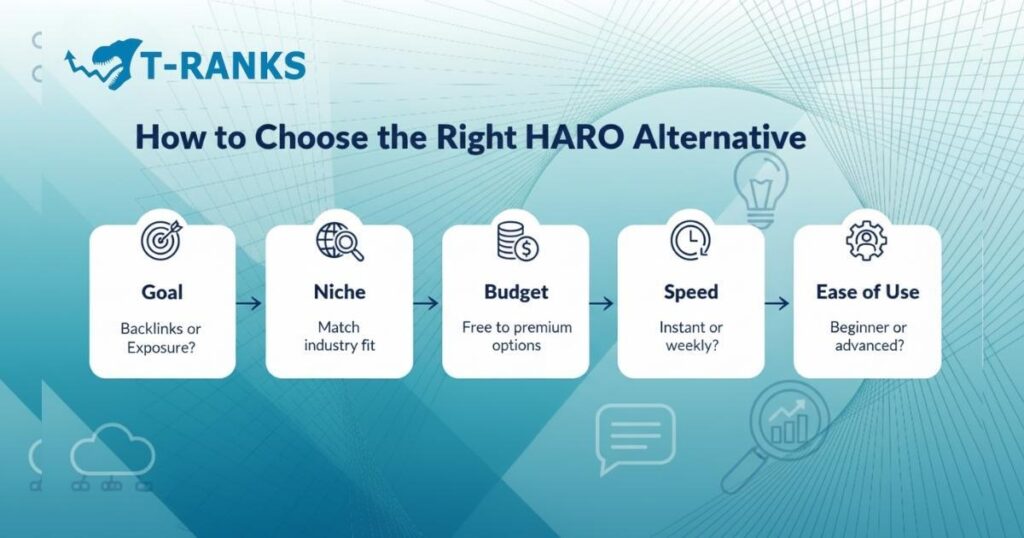
Choosing the right HARO alternative depends on what you want to achieve, how much time you have, and which audience you want to reach. Each platform offers something different, so the best choice is the one that matches your goals and your niche.
1. Know Your Main Goal
Start by understanding what you want from these platforms.
• If you want strong backlinks for SEO, choose tools that attract high authority publications such as Qwoted or ProfNet.
• If you want brand awareness or simple mentions, platforms like Featured or SourceBottle work well.
• If you need niche specific opportunities, choose a focused tool such as Help A B2B Writer for B2B topics or PressPlugs for United Kingdom visibility.
Having one clear goal makes it easier to choose the right tool.
2. Match the Platform to Your Niche
Every industry has different needs.
Pick platforms that match your topic so you see better quality requests and higher acceptance rates.
Examples:
• B2B and software experts should use Help A B2B Writer
• Lifestyle and wellness experts fit well with SourceBottle
• Startups do well on OnePitch
• United Kingdom and EU brands benefit from PressPlugs
Choosing a niche aligned platform saves time and improves results.
3. Consider Your Budget
Some platforms are free.
Some require monthly plans.
Some are designed for bigger PR teams.
Free or low cost: SourceBottle, Social HARO, Help A B2B Writer
Mid budget: Featured, OnePitch, Qwoted
Higher budget: Pitchbox, ProfNet, JustReachOut
Pick a tool that fits your budget but still offers the type of opportunities you want.
4. Think About Speed and Workflow
Different tools move at different speeds.
• Social HARO gives instant opportunities but requires fast responses
• Featured sends daily questions
• Qwoted and SourceBottle give steady weekly opportunities
• Pitchbox automates outreach so you can scale quickly
Choose a pace that fits your schedule and team capacity.
5. Look at Ease of Use
Some platforms are simple inbox style tools.
Others require more setup and time.
Beginners should use:
• Featured
• SourceBottle
• Help A B2B Writer
Experienced users or teams should use:
• Qwoted
• JustReachOut
• Pitchbox
• ProfNet
Choose the tool you feel comfortable managing consistently.
In simple words, the best HARO alternative is the one that matches your goal, fits your niche, aligns with your budget, and works at a speed you can keep up with. Using this approach helps you build a reliable and effective editorial link building strategy.
Avoiding Spam Risks and Ensuring Editorial Link Safety
HARO alternatives can deliver powerful backlinks, but only if you use them safely and avoid anything that looks like spam. Search engines reward natural, earned mentions, and they penalize low quality or manipulative links. The goal is to respond only to good opportunities and follow practices that protect your online reputation.
1. Always Check the Quality of the Opportunity
Before you send a pitch, make sure the opportunity is real and trustworthy.
• Look at the publication to confirm it is a genuine news site or industry blog
• Avoid sites filled with thin content or too many unrelated links
• Pay attention to whether the publication is well known in your niche
• Do not ignore anonymous queries, but treat them carefully and check for clues
If something feels low quality or irrelevant, skip it. Not every link is worth earning.
2. Make Sure Your Pitch Matches the Topic
The safest editorial links come from topics that match your real expertise.
Only respond when your background fits the question naturally.
• Stay within your niche
• Share real experiences
• Avoid pitching unrelated topics just to “get a link”
This keeps your profile clean and prevents signals that look manipulative.
3. Never Use Paid or Unethical Tactics
Safe editorial links should always be earned, not bought.
Avoid anything that involves:
• Paying a journalist for a link
• Offering gifts or incentives
• Doing link swaps or “you link to me, I link to you” deals
• Using mass generated templates with no personalization
These practices violate search engine guidelines and can lead to penalties.
4. Write Helpful, Concise, and Honest Pitches
Journalists want useful insights, not sales pitches.
To stay safe and effective:
• Keep answers short and clear
• Follow every instruction in the request
• Provide genuine tips or real stories
• Do not attach files; use simple links if needed
The more value you give, the more likely your answer will be published.
5. Watch for Red Flags
Avoid responding to opportunities that show warning signs.
Common red flags:
• The site looks like a link farm
• The publication posts very low quality articles
• The journalist asks for payment
• The topic does not match your industry
• The request feels overly promotional or vague
If you are unsure, skip it. A safe link is better than a risky one.
6. Monitor Your Placements
Once your quote is published, make sure the link is safe and correct.
• Check if the article is live
• Verify the link points to the right page
• Save the URL for tracking
• Reach out politely if something needs correction
Monitoring helps maintain a clean and healthy backlink profile.
In simple words, safe editorial link building means choosing quality opportunities, responding honestly, avoiding paid shortcuts, and making sure every link matches your real expertise. Following these steps protects your site and strengthens your long term authority.
Measuring ROI of HARO Alternatives

Measuring the ROI of HARO alternatives requires looking at more than just how many placements you earn. Start by tracking the editorial backlinks you secure and the authority of the websites linking to you, as these directly influence your long term visibility.
Monitor how many of your links stay live over time, since some articles may change or remove links. This helps you understand the lasting value of each placement. Use basic analytics tools to check how much referral traffic these links bring and how users behave once they land on your site, giving you a clear view of real audience engagement.
Finally, connect your link building results to actual business outcomes such as leads, sign ups, or sales. This wider view helps you see which platforms deliver real value and which pitching methods consistently produce the strongest returns.
Example:
If you earn a link from a marketing blog, track how many visitors click through, how long they stay on your site, and whether any of them sign up or make a purchase. This shows the real value of that placement.
Conclusion
In conclusion, choosing the right HARO alternative comes down to understanding your niche, your goals, and the type of visibility you want to build. Platforms like Help A B2B Writer give B2B and SaaS experts the most relevant opportunities, while Featured offers steady volume for broad industries. Qwoted remains the best choice for brands that need high authority placements, and SourceBottle stands out for lifestyle and wellness topics with lower competition. Using the right mix of these tools helps you earn stronger mentions, build trust, and improve search visibility through natural editorial links.
If you want long term results, start small, stay consistent, and track what works.
Begin testing two or three platforms today and grow your authority with safe, high quality editorial backlinks.
FAQs — HARO Alternatives for Link Building
What is the best HARO alternative?
Help A B2B Writer is the best HARO alternative for B2B and SaaS experts, Featured is the best for high-volume pitching, and Qwoted works best for PR-focused brands. Each platform excels in different niches depending on your industry and authority goals.
Are HARO alternatives effective for SEO?
Yes, HARO alternatives are effective for SEO because they earn natural editorial links that boost relevance, authority, and E-E-A-T. These citations help search engines trust your brand and your expertise.
Are there free HARO alternatives?
Yes, SourceBottle, PressPlugs’ limited tier, and journalist requests on X or Reddit are free options. They work well for beginners who want simple, fast opportunities without paying for a subscription.
How do I improve acceptance rates on HARO alternatives?
You improve acceptance rates by responding quickly, showing your credentials early, and giving short, quotable insights. Following every instruction exactly and avoiding generic answers increases your chances significantly.
Are HARO-style links safe for SEO?
Yes, HARO-style links are safe when the placement is editorial, unpaid, and topically relevant. Problems only occur when links are bought, forced, or placed on low-quality publishers.
Which HARO alternative gives the highest DR links?
Qwoted and Help A B2B Writer typically offer the highest DR opportunities, often ranging from DR 70 to 90. Their requests come from verified journalists and strong niche publications.
How much do HARO alternatives cost?
HARO alternatives range from free options like SourceBottle to mid-tier tools like Featured and OnePitch, and premium software such as Qwoted Pro, JustReachOut, Pitchbox, and ProfNet. Costs vary based on features and volume.
Is Connectively still worth using?
Yes, Connectively can still be useful for broad topics, but niche-specific alternatives offer higher relevance and better success rates. Most marketers now prefer more focused tools with clearer categories.
Do HARO alternatives help build brand authority?
Yes, HARO alternatives strengthen brand authority by earning expert quotes and editorial mentions on trusted websites. These citations act as credibility signals that support long-term visibility.
How long does it take to see results?
Most users see results within thirty to ninety days, depending on their niche and pitch frequency. Faster responses and consistent participation usually lead to quicker placements.
Can beginners use HARO alternatives effectively?
Yes, beginners can use HARO alternatives effectively because platforms like Featured and SourceBottle are simple and beginner friendly. Consistency and clear answers matter more than prior PR experience.